The Real Estate Due Diligence Checklist: What Buyers Should Review Before Closing
Buying a home is exciting, but signing a contract is only the beginning. Before you move forward with a purchase, you need to make sure the property, paperwork, finances, and potential risks all check out.
That process is known as real estate due diligence.
A thorough due diligence process can help you uncover expensive repairs, title problems, insurance issues, HOA restrictions, flood risks, or other surprises before you become the owner.
Whether you're buying a condo in Miami, a new construction home in Fort Lauderdale, or an investment property in Boca Raton, this real estate due diligence checklist can help you understand what to review before closing.
Important: Due diligence requirements and contract terms vary by state and transaction. In Florida, buyers should pay particular attention to inspection deadlines, condo and HOA documents, insurance, flood exposure, and title issues.
What Is Real Estate Due Diligence?
Real estate due diligence is the process of investigating a property before completing the purchase.
It typically includes reviewing the property's physical condition, legal status, financial obligations, insurance considerations, and other factors that could affect its value or your ability to use it as intended.
The goal is simple: know what you're buying before you commit to it.
Depending on the property, due diligence may include:
- Home and specialized inspections
- Title research
- Property survey
- Appraisal
- Property tax review
- HOA or condo document review
- Insurance research
- Flood and environmental risk checks
- Permit and renovation history
- Zoning and land-use research
- Utility and maintenance costs
- Review of the purchase contract and disclosures
Real Estate Due Diligence Checklist
Use the following checklist as a starting point when evaluating a property.
1. Review the Purchase Contract
Start by carefully reviewing the purchase agreement.
Pay particular attention to:
- Due diligence or inspection deadlines
- Financing deadlines
- Closing date
- Deposit requirements
- Inspection rights
- Appraisal provisions
- Seller disclosures
- Repair negotiations
- Contingencies
- Title requirements
- Cancellation rights
Your contract determines many of the deadlines that matter during the transaction, so don't assume you have unlimited time to investigate the property.
Tip: Keep a calendar of every contractual deadline as soon as your offer is accepted.
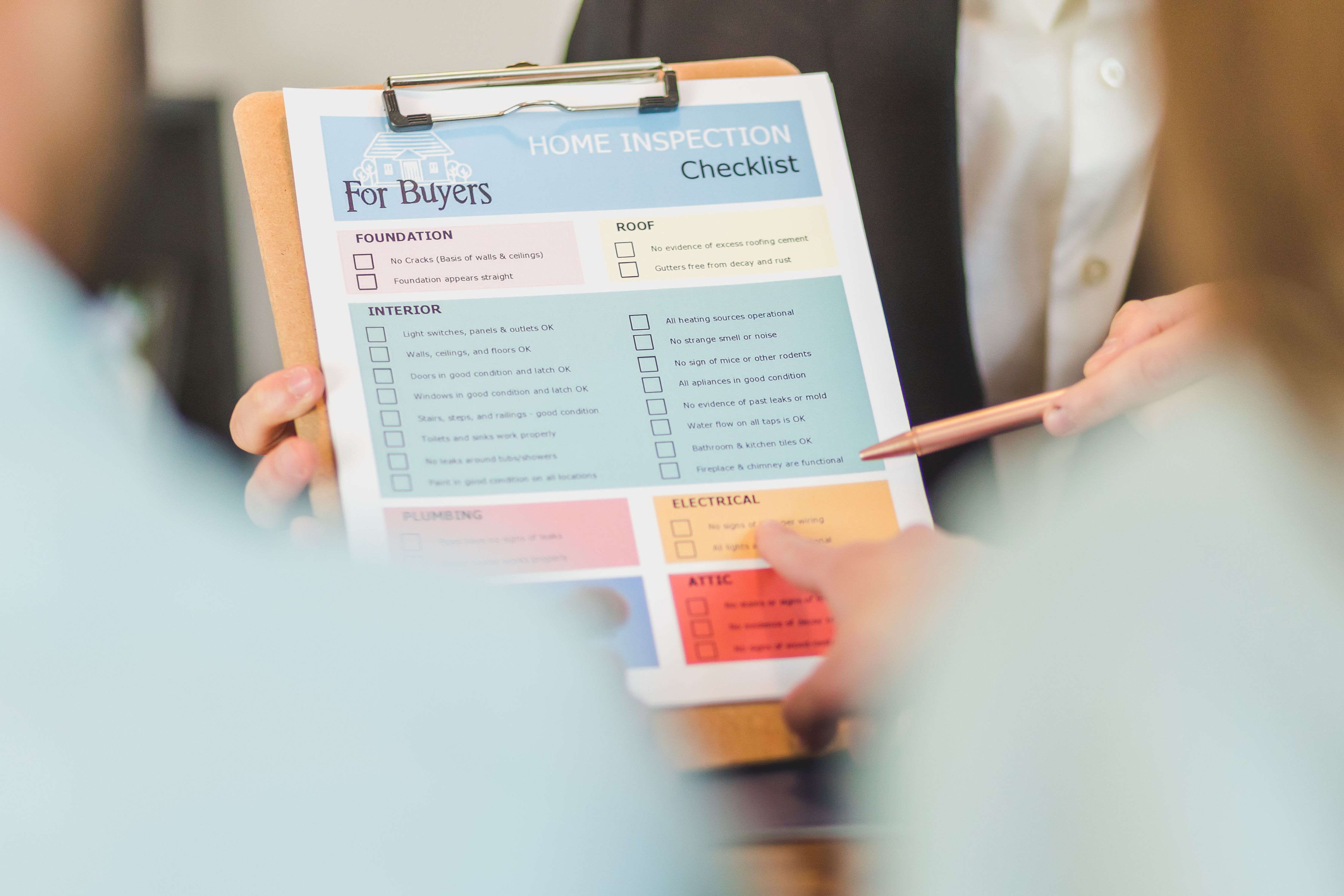
2. Schedule a Professional Home Inspection
A home inspection is one of the most important parts of the due diligence process.
A qualified inspector can evaluate major components of the property, including:
- Roof
- Foundation
- Electrical system
- Plumbing
- HVAC
- Windows and doors
- Appliances
- Attic
- Insulation
- Exterior
- Structural components
An inspection doesn't guarantee that a home has no problems. Instead, it gives you a better understanding of its current condition and potential repair needs.
For older homes, you may also need specialized inspections.
These can include:
- Mold inspection
- Termite inspection
- Sewer scope
- Pool inspection
- Structural inspection
- Septic inspection
- HVAC inspection
- Chimney inspection
3. Check the Roof and Major Systems
A home may look move-in ready while still having expensive systems nearing the end of their useful lives.
Ask about the age and condition of:
- Roof
- Air conditioning system
- Water heater
- Electrical panel
- Plumbing
- Windows
- Appliances
For example, replacing an aging roof or HVAC system can significantly change the true cost of owning a property.
When reviewing an inspection report, don't focus only on today's repairs. Consider what you're likely to spend over the next five to ten years.
4. Review the Property's Title
A title search helps determine whether the seller has the legal right to transfer ownership and whether other claims or issues are attached to the property.
Potential title issues can include:
- Outstanding liens
- Unpaid taxes
- Judgments
- Easements
- Ownership disputes
- Recording errors
- Restrictions on the property
Title insurance is also an important part of many real estate transactions.
Your title company or real estate attorney can explain what the title search reveals and whether additional action is needed before closing.
5. Order a Property Survey
A survey can help confirm the property's boundaries and identify structures or improvements that may cross property lines.
Depending on the property, a survey may reveal:
- Property boundaries
- Fences
- Driveways
- Pools
- Additions
- Easements
- Encroachments
This can be particularly important when buying a property with extensive outdoor improvements or an older home.
6. Review Property Taxes
Don't simply look at the seller's current tax bill.
Research:
- Current property taxes
- Recent tax history
- Assessed value
- Tax exemptions
- Potential changes after the sale
- Outstanding tax balances
Your future property tax bill may differ from the seller's current bill, particularly if the property benefits from an exemption or assessment history that won't transfer to you.
For Florida buyers, understanding how property taxes may change after a purchase is especially important.
7. Research Homeowners Insurance
Insurance should be part of your due diligence before you're too far into the transaction.
Get an insurance quote and ask about coverage for:
- Wind
- Hurricanes
- Flooding
- Fire
- Water damage
- Liability
- Roof damage
This is particularly important in South Florida.
A property's purchase price doesn't tell you how affordable it will be to own. Insurance premiums, deductibles, and coverage limitations can have a major impact on your monthly housing costs.
8. Check Flood Risk
Flood risk deserves special attention in South Florida.
Research the property's flood zone and investigate whether flood insurance may be required or advisable.
Also consider the property's:
- Elevation
- Drainage
- History of flooding
- Proximity to water
- Stormwater management
- Previous flood damage
Don't assume that being outside a high-risk flood zone means a property has no flood risk.
9. Review HOA or Condo Documents
If you're buying a condo or property in an HOA community, document review is essential.
Request and review available documents covering:
- Monthly HOA fees
- Special assessments
- Association budget
- Reserve funds
- Financial statements
- Meeting minutes
- Pending litigation
- Insurance coverage
- Rules and restrictions
- Rental policies
- Pet restrictions
- Parking
- Maintenance responsibilities
For a condo buyer, the building's financial health can be just as important as the condition of the unit itself.
A low purchase price may look attractive until you discover significant upcoming assessments or inadequate reserves.
10. Investigate Special Assessments
This deserves its own step, particularly for Florida condo buyers.
Ask whether the association has:
- Current special assessments
- Proposed assessments
- Recently completed major projects
- Upcoming capital improvements
- Significant deferred maintenance
Major building projects can result in substantial additional costs for owners.
Review association meeting minutes and financial documents for discussions about roofs, elevators, structural repairs, plumbing, balconies, parking garages, or other major components.
11. Check Permits and Renovation History
If the property has been renovated, find out whether the work was properly permitted.
Look for permits related to:
- Additions
- Kitchens
- Bathrooms
- Electrical work
- Plumbing
- Roofing
- Windows
- Pools
- Structural changes
- HVAC systems
Unpermitted work can create problems when you sell, refinance, insure, or make additional renovations.
In Florida, buyers should also investigate whether older improvements comply with applicable building requirements.
12. Verify Zoning and Property Use
Make sure you can legally use the property the way you intend.
Check:
- Zoning designation
- Building restrictions
- Short-term rental rules
- Long-term rental rules
- Home business restrictions
- Development restrictions
- Setback requirements
- Parking requirements
This is particularly important for investors.
For example, if you're buying a property specifically as a short-term rental, don't assume that because other nearby properties are being rented that you can legally do the same.
13. Research the Neighborhood
Due diligence isn't limited to the property itself.
Research the surrounding area, including:
- Comparable home prices
- Recent sales
- New construction
- Planned developments
- Schools
- Traffic
- Public transportation
- Crime statistics
- Flood exposure
- Nearby commercial projects
Also consider what's happening around the property.
A quiet neighborhood today could look very different if a major development or road project is planned nearby.
14. Review Comparable Sales
Look at recently sold properties that are genuinely comparable to the home you're considering.
Consider:
- Location
- Size
- Bedrooms and bathrooms
- Lot size
- Age
- Condition
- Renovations
- Amenities
- Parking
- View
Comparable sales can help you determine whether the asking price is reasonable and give you context for the appraisal.
15. Complete the Appraisal
If you're financing the purchase, your lender will typically require an appraisal to assess the property's value.
An appraisal isn't the same as a home inspection.
The inspection evaluates condition.
The appraisal evaluates value.
If the property appraises for less than your purchase price, you may need to renegotiate the price, increase your down payment, or reconsider the transaction depending on your contract and financing.
16. Calculate the True Cost of Ownership
Before closing, calculate more than just the mortgage payment.
Your total housing costs may include:
- Mortgage principal and interest
- Property taxes
- Homeowners insurance
- Flood insurance
- HOA fees
- Maintenance
- Utilities
- Repairs
- Special assessments
- Landscaping
- Pool maintenance
A property that looks affordable based on its listing price may have significantly higher ongoing costs.
17. Review Seller Disclosures
Read all available seller disclosures carefully.
Look for information about:
- Previous damage
- Leaks
- Flooding
- Structural problems
- Insurance claims
- Pest problems
- Repairs
- Water intrusion
- Environmental issues
If something in the disclosure raises a concern, ask follow-up questions and investigate further.
18. Do a Final Walk-Through
Your final walk-through usually takes place shortly before closing.
Use it to confirm that:
- Agreed repairs were completed
- The property is in the expected condition
- Included appliances remain
- Fixtures haven't been removed
- There is no new visible damage
- The property is substantially as agreed in the contract
The final walk-through isn't a replacement for an inspection. It's your last opportunity to make sure the property hasn't materially changed since you agreed to purchase it.
Real Estate Due Diligence Checklist at a Glance
Before closing, make sure you've considered:
- Purchase contract and deadlines
- General home inspection
- Specialized inspections
- Roof and major systems
- Title search
- Title insurance
- Property survey
- Property tax history
- Homeowners insurance quote
- Flood risk
- HOA or condo documents
- Special assessments
- Permits and renovation history
- Zoning and property use
- Neighborhood research
- Comparable sales
- Appraisal
- Total ownership costs
- Seller disclosures
- Final walk-through
How Long Does Real Estate Due Diligence Take?
The real estate due diligence period varies depending on the purchase contract, property type, financing, and local market.
Some investigations can be completed within days, while others may take longer.
For example, scheduling a general inspection may be relatively quick, while reviewing HOA financials, obtaining insurance, researching permits, and resolving title issues can take more time.
The important thing is to start immediately after your offer is accepted rather than waiting until the end of the due diligence period.
What Happens If Due Diligence Finds a Problem?
Finding a problem doesn't automatically mean you have to walk away from the purchase.
Depending on your contract and the issue, you may be able to:
- Ask the seller to make repairs.
- Request a credit at closing.
- Negotiate a lower purchase price.
- Request additional inspections.
- Accept the property as-is.
- Exercise a contractual cancellation right, if available.
Your options depend heavily on the terms of your purchase agreement, so significant issues should be discussed with your real estate agent, attorney, lender, or other appropriate professional.
South Florida Real Estate Due Diligence
South Florida buyers have several additional factors to consider because of the region's climate, insurance market, coastal exposure, and large number of condominium communities.
If you're buying in Miami, Miami Beach, Fort Lauderdale, Boca Raton, Aventura, Coral Gables, Coconut Grove, Sunny Isles Beach, or West Palm Beach, consider adding these items to your due diligence checklist:
- Flood zone and flood history
- Windstorm and hurricane insurance
- Roof age and condition
- Impact windows
- Drainage
- Sea-level and storm-surge exposure
- Condo reserves
- Special assessments
- Building inspection reports
- Structural maintenance
- HOA or condo litigation
- Rental restrictions
- Short-term rental regulations
For condo buyers, don't evaluate only the unit. Evaluate the building and association, too.
Frequently Asked Questions
What is the most important part of real estate due diligence?
There isn't one single step that matters most. A thorough process combines the property inspection, title review, financial analysis, insurance research, contract review, and investigation of the property's legal and physical condition.
How much does real estate due diligence cost?
Costs vary depending on the property and the inspections or professional services required. Buyers may pay for inspections, surveys, appraisals, title services, insurance research, and specialized inspections.
Can you back out of a house after due diligence?
That depends on your purchase contract and the applicable laws. Some contracts provide specific inspection or due diligence rights, while others limit a buyer's ability to cancel. Review the contract carefully with your real estate professional.
Should I get a home inspection on a new construction home?
Yes. New construction doesn't necessarily mean there are no defects. An independent inspection can identify construction issues that may need to be addressed before or after closing.
What should I look for when buying a condo?
In addition to the unit itself, review the association's finances, reserves, insurance, rules, meeting minutes, litigation, maintenance plans, and current or proposed special assessments.
The Bottom Line
Real estate due diligence is about more than checking a few boxes before closing. It's about understanding the true condition, cost, risks, and restrictions associated with a property before you make one of the biggest financial commitments of your life.
The right checklist can help you spot potential problems early, compare properties more confidently, and avoid expensive surprises after closing.
And when you're searching for your next South Florida property, Rility can help you explore homes and communities across the market before you take the next step.
Rility provides information for general educational purposes only and does not provide legal, financial, tax, insurance, mortgage, investment, or other professional advice. Market data, property information, estimates, calculators, and other information may change or contain errors and should be independently verified. Property and investment decisions involve risk. Consult qualified professionals before making decisions based on information provided by Rility.
See our full disclaimer