
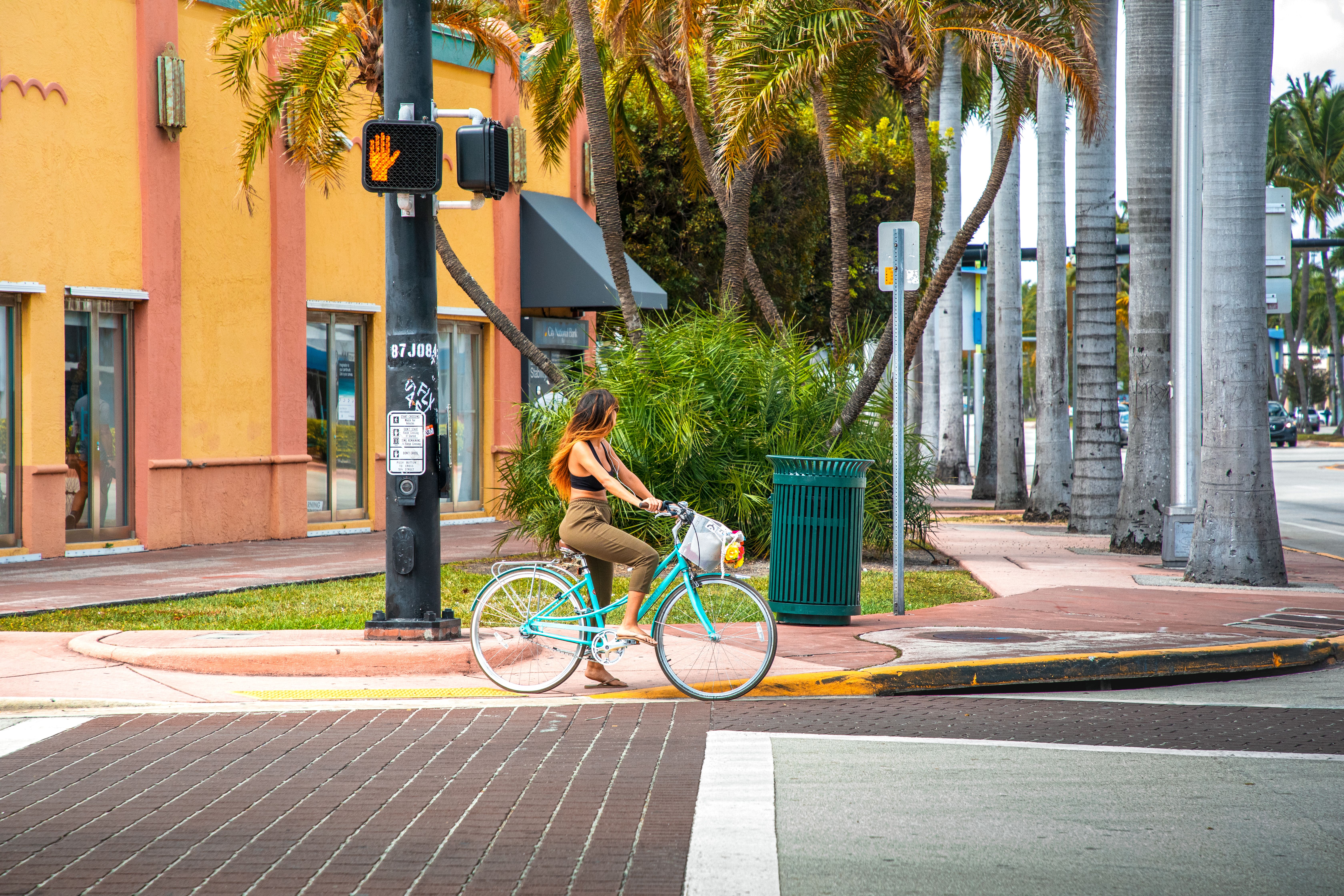
Miami isn't really one city when it comes to choosing where to live. It's a collection of very different neighborhoods, each with its own personality, housing market, commute, price point and lifestyle.
You can live in a high-rise in Brickell and walk to restaurants, offices and nightlife. You can trade the skyscrapers for banyan trees and waterfront parks in Coconut Grove. You can choose the family-oriented streets of Coral Gables, the beach lifestyle of Miami Beach, the artsy energy of Wynwood, or the more residential feel of Key Biscayne.
So, what are the best neighborhoods in Miami in 2026?
The answer depends on what you're looking for.
In this guide, we've compared some of Miami's most popular neighborhoods based on home prices, rents, walkability, lifestyle, family-friendliness, nightlife and real estate potential to help you figure out which area is the best fit for you.
Looking for a specific neighborhood? Browse all Miami homes for sale and rentals here: [MIAMI PROPERTY SEARCH]
Miami Neighborhoods at a Glance
Before getting into each neighborhood, here's a quick comparison of some of the most popular places to live in and around Miami.
*Pricing varies significantly by property type, building, size and exact location. Use the [Miami real estate search] to see current listings and prices.
Miami's overall housing market is expensive by national standards. The Miami-Dade Property Appraiser's preliminary July 2026 data puts the median just value of residential property at approximately $499,500 in the City of Miami, compared with approximately $919,000 in Miami Beach and $1.18 million in Coral Gables.
1. Brickell: Best for Urban Living and Young Professionals
If your ideal Miami lifestyle involves walking downstairs from your condo and immediately having restaurants, coffee shops, gyms, offices and nightlife around the corner, Brickell is hard to beat.
Known as Miami's financial district, Brickell has transformed into one of the city's most recognizable urban neighborhoods. Its skyline is dominated by high-rise residential towers, hotels and office buildings, while Brickell City Centre and surrounding streets provide a dense mix of restaurants, shopping and entertainment.
[Explore Brickell real estate]
Why live in Brickell?
The biggest advantage is convenience.
Brickell is one of the few Miami neighborhoods where you can realistically build a lifestyle around walking and public transportation rather than driving everywhere. Downtown and other parts of Miami are also accessible via the Metromover and Metrorail.
Walkability is one of Brickell's biggest selling points, particularly compared with Miami's more suburban neighborhoods.
Who is Brickell best for?
Young professionals
Couples
Finance and tech workers
People who don't want a car-dependent lifestyle
Frequent travelers
Condo buyers
Investors looking for a large rental market
What are the downsides?
Brickell isn't the obvious choice if you want a backyard, quiet residential streets or a traditional family neighborhood.
It can also be expensive to own in a high-rise. HOA and building fees can significantly change the true monthly cost of a condo, so buyers should look beyond the listing price.
Our take
Best for: Urban lifestyle, walkability and nightlife
Watch out for: HOA fees, traffic and building-specific rental restrictions
2. Coconut Grove: Best for Families and Lifestyle
If Brickell represents Miami's modern, vertical side, Coconut Grove represents its lush, relaxed side.
The Grove is one of Miami's most distinctive neighborhoods, with enormous trees, waterfront parks, marinas, restaurants and a village-like atmosphere. It's also close to the University of Miami and has long attracted families, professionals and buyers looking for a more established neighborhood.
[Explore Coconut Grove real estate]
Why live in Coconut Grove?
The biggest draw is the combination of nature, community and location.
You get access to Biscayne Bay, parks and marinas while still being relatively close to Brickell and Downtown. The neighborhood also has a more residential feel than Miami's high-rise districts.
Coconut Grove is particularly attractive for families who want outdoor space and a neighborhood atmosphere without moving far from central Miami.
Who is Coconut Grove best for?
Families
Established professionals
Boaters
Buyers seeking larger homes
People who want greenery and outdoor space
Buyers who value neighborhood character
What are the downsides?
You pay for the lifestyle.
Single-family homes can become extremely expensive, particularly closer to the water, while the inventory of desirable properties is relatively limited.
And while parts of the Grove are highly walkable, you will still likely want a car for many daily activities.
Our take
Best for: Families, greenery, waterfront lifestyle
Watch out for: High prices and limited inventory
3. Coral Gables: Best for Families and Established Buyers
Coral Gables is one of Miami's most established residential communities and is often one of the first places people consider when searching for a more traditional, family-oriented lifestyle.
Known for its Mediterranean-inspired architecture, tree-lined streets and carefully planned neighborhoods, Coral Gables feels distinctly different from Downtown Miami or Brickell.
[Explore Coral Gables real estate]
Why live in Coral Gables?
Coral Gables combines space, architecture, restaurants, schools and a strong sense of community.
Miracle Mile provides a central area for restaurants, shopping and entertainment, while the surrounding residential streets are significantly quieter.
The University of Miami is also nearby.
Who is Coral Gables best for?
Families
Professionals
Buyers looking for single-family homes
People prioritizing schools
Buyers looking for an established neighborhood
Long-term homeowners
What are the downsides?
Coral Gables is not cheap.
The premium is particularly significant for larger single-family homes and properties in highly desirable areas. The neighborhood is also less walkable overall than Brickell or Downtown.
Our take
Best for: Families, schools and established residential living
Watch out for: High purchase prices and car dependence
4. Miami Beach: Best for Beach Lifestyle and Nightlife
For many people considering Miami, living near the ocean is part of the dream.
Miami Beach delivers that lifestyle better than almost anywhere else in the city.
But Miami Beach is not one single experience.
South Beach is energetic, tourist-heavy and nightlife-oriented. Mid-Beach tends to feel more residential and luxury-oriented, while North Beach offers a quieter version of beachfront living.
[Explore Miami Beach real estate]
Why live in Miami Beach?
The obvious answer: the beach.
But there's more to it. Parts of Miami Beach are highly walkable, with restaurants, cafes, shops and entertainment within walking distance.
Walkability scores are particularly strong in areas of Miami Beach, although the experience varies significantly by neighborhood.
Who is Miami Beach best for?
Beach lovers
Couples
Singles
Second-home buyers
People who value walkability
Nightlife enthusiasts
Buyers seeking waterfront property
What are the downsides?
The beach lifestyle comes with trade-offs.
Flood and storm exposure, insurance costs, parking, tourism and traffic are all factors buyers should investigate before purchasing.
Recent reporting has also highlighted some of the practical downsides residents can encounter, including parking challenges, seasonal tourism and flood concerns.
Our take
Best for: Beach lifestyle, walkability and nightlife
Watch out for: Insurance, flood exposure, parking and tourism
5. Edgewater: Best for Bay Views and Urban Value
Located between Downtown Miami and the Design District/Wynwood area, Edgewater has become one of Miami's most interesting urban residential neighborhoods.
The neighborhood is dominated by condos, many with views of Biscayne Bay, and provides relatively easy access to both Downtown and Miami Beach.
[Explore Edgewater real estate]
Why live in Edgewater?
Edgewater offers something increasingly difficult to find in Miami: a central location without Brickell-level pricing in every building.
You can be close to the action while living in a quieter residential environment.
The neighborhood also benefits from proximity to Wynwood, Midtown and the Design District.
Who is Edgewater best for?
Young professionals
Couples
Condo buyers
Remote workers
Buyers looking for water views
People wanting access to several Miami neighborhoods
What are the downsides?
The neighborhood is still very condo-centric, and the waterfront location means buyers need to carefully evaluate insurance, HOA costs and building reserves.
Our take
Best for: Location, views and relative value
Watch out for: Building quality, HOA costs and flood exposure
6. Wynwood: Best for Arts, Restaurants and Nightlife
Wynwood is one of the most recognizable neighborhoods in Miami thanks to its murals, galleries, restaurants, bars and creative scene.
The neighborhood has changed dramatically over the past decade, transforming from an industrial area into one of Miami's biggest destinations for dining, nightlife and culture.
[Explore Wynwood real estate]
Why live in Wynwood?
If you want to walk out your door and immediately have something happening, Wynwood is one of the strongest choices.
The neighborhood is particularly appealing to younger residents and people working in creative, tech and entrepreneurial industries.
Who is Wynwood best for?
Young professionals
Creatives
Entrepreneurs
Singles
Restaurant and nightlife lovers
Buyers looking for an urban neighborhood
What are the downsides?
Wynwood is not the strongest choice for someone looking for peace and quiet.
And as the neighborhood has become more desirable, prices have risen substantially.
Our take
Best for: Culture, nightlife and urban energy
Watch out for: Noise, tourism and changing neighborhood dynamics
7. Downtown Miami: Best for Walkability and Transportation
Downtown Miami is sometimes overlooked in favor of Brickell, but for buyers who prioritize walkability, transportation and access to the wider city, it deserves serious consideration.
Downtown currently has one of the highest Walk Scores among Miami neighborhoods, with a score of 91 according to Walk Score/Redfin.
[Explore Downtown Miami real estate]
Why live Downtown?
Downtown puts you close to:
Brickell
Bayside
Bayfront Park
restaurants
cultural attractions
Metromover
Metrorail
Brightline
major employment centers
It's also increasingly dominated by new residential development.
Who is Downtown best for?
Young professionals
Frequent travelers
People without cars
Condo buyers
People working Downtown or Brickell
Buyers looking for newer buildings
What are the downsides?
Downtown can feel more urban than residential. If your idea of Miami involves a quiet street lined with single-family homes, this isn't it.
Our take
Best for: Walkability, transportation and convenience
Watch out for: Urban feel, construction and building-specific costs
8. Key Biscayne: Best for Families and Island Living
Key Biscayne offers perhaps the strongest contrast to Downtown Miami.
Located on an island just off the coast, the community combines beaches, parks, biking, outdoor activities and a distinctly residential atmosphere.
[Explore Key Biscayne real estate]
Why live in Key Biscayne?
For families who can afford it, Key Biscayne offers a lifestyle that's difficult to replicate elsewhere in Miami.
The island feels removed from the city while remaining relatively close to Downtown and Brickell.
Who is Key Biscayne best for?
Families
Outdoor enthusiasts
Beach lovers
Established buyers
People seeking a quieter lifestyle
What are the downsides?
Price.
Key Biscayne is one of the more expensive places to live in the Miami area, and inventory can be limited.
The island also has a very different transportation dynamic from mainland neighborhoods.
Our take
Best for: Families, beaches and quiet island living
Watch out for: High prices, limited inventory and island access
9. Upper East Side: Best for a Quieter, More Local Feel
Miami's Upper East Side is a collection of smaller communities north of Downtown, including areas around the MiMo District.
It tends to feel more residential and local than Brickell, Wynwood or Miami Beach.
[Explore Upper East Side real estate]
Why live in Upper East Side?
The area offers a combination of:
historic architecture
independent restaurants
residential streets
proximity to Biscayne Bay
access to the Design District
relatively easy access to Downtown
It can be an interesting option for buyers who want to stay close to central Miami without living in a high-rise urban core.
Who is it best for?
Couples
Families
Professionals
Buyers seeking neighborhood character
People looking for an alternative to Brickell
Our take
Best for: Character, location and quieter living
Watch out for: Walkability varies considerably by exact location
10. Little Havana: Best for Culture and Relative Value
Few Miami neighborhoods have a stronger cultural identity than Little Havana.
Centered around Calle Ocho, the neighborhood is famous for Cuban restaurants, cafes, bakeries, music, art and a strong sense of community.
[Explore Little Havana real estate]
Why live in Little Havana?
For buyers who want to experience one of the most culturally distinctive parts of Miami, Little Havana is hard to match.
It can also offer a lower entry price than some of Miami's most expensive coastal and urban neighborhoods.
Who is it best for?
Culture lovers
First-time buyers
Budget-conscious buyers
Young professionals
Investors
People who want a more local atmosphere
What are the downsides?
The neighborhood varies significantly from block to block, and buyers should evaluate individual properties and streets rather than making assumptions based solely on the neighborhood name.
Our take
Best for: Culture, location and relative affordability
Watch out for: Block-by-block differences and future development
Other Miami Neighborhoods Worth Considering
The neighborhoods above are some of the best-known options, but they are far from the only ones worth considering.
Pinecrest
For families prioritizing space and schools, Pinecrest deserves a place on the shortlist.
It has a suburban, leafy atmosphere and larger lots than you will typically find closer to the urban core.
[Explore Pinecrest real estate]
Best for: Families, schools and space
Trade-off: Car dependency and longer commutes
Doral
Located west of central Miami, Doral has become a major residential and business hub, particularly popular with families and professionals.
[Explore Doral real estate]
Best for: Families, newer housing and value
Trade-off: Less central and less walkable
Kendall
If affordability and space are higher priorities than being close to the beach or Downtown, Kendall is worth investigating.
[Explore Kendall real estate]
Best for: Families and value seekers
Trade-off: Car dependency and commuting
Aventura
Aventura is particularly appealing to buyers who want newer condos, shopping, beaches and a more suburban environment north of Miami Beach.
[Explore Aventura real estate]
Best for: Families, condo buyers and amenities
Trade-off: Less central to Miami's urban core
So, Which Miami Neighborhood Is Best for You?
There isn't one universally best neighborhood in Miami.
Instead, the right choice depends on what matters most to you.
🏙️ Best Miami Neighborhood for Young Professionals
Brickell
If you want restaurants, nightlife, offices and walkability, Brickell is the obvious starting point.
👨👩👧👦 Best Miami Neighborhood for Families
Coconut Grove or Coral Gables
Both offer a more established residential environment, although they differ significantly in price, architecture and lifestyle.
🌴 Best for Beach Living
Miami Beach or Key Biscayne
Choose Miami Beach if you want more activity, restaurants and nightlife. Choose Key Biscayne if you want a quieter, family-oriented island lifestyle.
🚶 Best for Walkability
Downtown, Brickell or Miami Beach
Downtown currently scores 91 on Walk Score, while Brickell and Miami Beach also offer some of the strongest car-free lifestyles in the region.
🎨 Best for Culture and Nightlife
Wynwood
For restaurants, bars, art and a more energetic atmosphere, Wynwood is hard to beat.
💰 Best for Relative Value
Little Havana, Edgewater, Kendall or parts of North Miami
The definition of "value" depends heavily on property type, but these areas can provide a lower entry point than Miami's most expensive neighborhoods.
🏡 Best for a Traditional Residential Lifestyle
Coral Gables, Coconut Grove or Pinecrest
These neighborhoods are particularly attractive to buyers who want more space, greenery and a stronger residential feel.
📈 Best for Real Estate Investors
There's no single answer.
Instead of choosing based on neighborhood reputation alone, compare:
purchase price
rent
HOA
property taxes
insurance
rental restrictions
vacancy
price per square foot
historical appreciation
building reserves
future supply
[Compare Miami investment properties]
What Should You Consider Before Choosing a Miami Neighborhood?
Choosing where to live in Miami isn't only about the vibe.
The neighborhood you choose can have a major effect on your total cost of living, commute and long-term housing expenses.
1. Your Total Housing Cost
Don't compare neighborhoods based solely on listing price or monthly rent.
For condos especially, look at:
Mortgage + HOA + property tax + insurance + maintenance
A $500,000 condo with a high HOA can cost considerably more each month than the purchase price initially suggests.
[Calculate the true cost of a Miami property]
2. Insurance and Flood Exposure
Miami's coastal location makes insurance an important part of the home-buying equation.
Before buying, investigate:
flood zone
flood insurance
wind insurance
building insurance
HOA reserves
recent assessments
building inspection reports
This is particularly important for older condo buildings.
3. Your Commute
Miami's geography matters.
A neighborhood that looks close on a map can have a dramatically different commute depending on the time of day.
If you work in Brickell, living in Coral Gables may be easy enough. If you commute to Doral every day, the calculation changes completely.
4. Walkability
Miami isn't uniformly walkable.
Some neighborhoods allow you to walk to virtually everything you need. Others require a car for groceries, school, work and entertainment.
If being car-free matters to you, prioritize neighborhoods such as:
Brickell → Downtown → Miami Beach → Wynwood → parts of Coconut Grove
and look carefully at the exact location rather than relying solely on the neighborhood name.
5. Schools and Family Needs
For families, compare:
school zones
private schools
parks
playgrounds
commute
home size
traffic
neighborhood safety
childcare options
A neighborhood that is perfect for a single professional may be completely wrong for a family with young children.
Miami Neighborhoods: The Bottom Line
Miami offers an unusually wide range of lifestyles within a relatively concentrated area.
You can choose Brickell for high-rise urban living, Coconut Grove for greenery and waterfront lifestyle, Coral Gables for established residential living, Miami Beach for the ocean, Wynwood for culture and nightlife, or Key Biscayne for a quieter island environment.
And that's exactly why choosing where to live in Miami can be difficult.
The best neighborhood isn't necessarily the one with the highest property values or the most restaurants. It's the one that matches your budget, lifestyle, commute and long-term goals.
Before making a decision, compare actual properties rather than relying only on neighborhood averages.
[Search Miami homes for sale]
[Search Miami rentals]
[Compare Miami neighborhoods]
[Explore Miami condo buildings]
Frequently Asked Questions
What is the best neighborhood in Miami?
There isn't one answer for everyone. Brickell is one of the strongest choices for urban living and walkability, Coconut Grove and Coral Gables are popular with families, Miami Beach is ideal for beach and nightlife, and Key Biscayne offers a quieter island lifestyle.
What are the safest neighborhoods in Miami?
Safety varies by exact location and should be evaluated using current local crime data rather than relying on a generic neighborhood ranking. Coral Gables, Coconut Grove, Key Biscayne and Pinecrest are commonly considered among the more residential, family-oriented options, but buyers and renters should research the specific area and property.
What is the best Miami neighborhood for families?
Coconut Grove, Coral Gables, Key Biscayne and Pinecrest are strong choices for families looking for more residential environments, green space and access to schools.
What is the most walkable neighborhood in Miami?
Downtown Miami currently has a Walk Score of 91 and is one of the city's most walkable areas. Brickell, Miami Beach and parts of Wynwood also offer strong walkability.
Where is the most affordable place to live in Miami?
That depends on whether you're looking to rent or buy and whether you mean the City of Miami or the broader Miami metropolitan area. Neighborhoods farther from the coast, including Kendall and parts of Westchester, generally offer more space for your money, while Little Havana and some northern neighborhoods can provide relatively lower-cost options closer to the urban core.
Is Brickell a good place to live?
Brickell is particularly attractive to people who want a walkable, high-rise lifestyle with easy access to restaurants, nightlife, offices and public transportation. Its main drawbacks are high housing costs, HOA fees, traffic and a lack of traditional suburban space.
Is Miami Beach a good place to live?
Miami Beach can be an excellent choice for people who prioritize beaches, walkability, restaurants and nightlife. However, buyers should carefully evaluate flood exposure, insurance, HOA costs, parking and the differences between South Beach, Mid-Beach and North Beach.
Is Miami a good place to invest in real estate?
Miami can offer opportunities for both long-term and rental investors, but neighborhood and property-level analysis matters. Purchase price, rent, HOA fees, taxes, insurance, rental restrictions and future building assessments can have a major impact on returns.
[Explore Miami investment properties and compare current listings]
How We Compare Miami Neighborhoods
Our neighborhood comparisons should consider more than just asking prices.
We recommend evaluating each area across:
Housing: median sale price, rent, price per square foot and inventory
Lifestyle: restaurants, entertainment, beaches, parks and community character
Transportation: walkability, public transportation and commute times
Family appeal: schools, parks, childcare and residential environment
Investment: rental demand, rental restrictions, HOA costs, appreciation and supply
Cost of ownership: taxes, insurance, HOA fees and maintenance
Because Miami real estate can vary dramatically from one building, street or block to another, neighborhood-level statistics should be treated as a starting point rather than a substitute for analyzing an individual property.
Want to see what's actually available?
Neighborhood guides tell you where to look. The next step is seeing what you can actually buy or rent within your budget.
[SEARCH ALL MIAMI HOMES FOR SALE]
[SEARCH MIAMI RENTALS]
[COMPARE MIAMI NEIGHBORHOODS]
Rility provides information for general educational purposes only and does not provide legal, financial, tax, insurance, mortgage, investment, or other professional advice. Market data, property information, estimates, calculators, and other information may change or contain errors and should be independently verified. Property and investment decisions involve risk. Consult qualified professionals before making decisions based on information provided by Rility.
See our full disclaimer